
7 Warning Signs You Need a Sewer Line Inspection
CALL NOW (970) 818-1613We pick up the phone, 24/7
CALL NOW (970) 818-1613Your sewer line runs quietly underground, carrying wastewater away from your home every day. But when something goes wrong, the signs don’t stay quiet for long. Knowing what to look for can save you thousands in emergency repairs.
Northern Colorado homeowners face unique sewer line challenges, especially during spring thaw. Shifting soil, freeze-thaw cycles, and mature tree roots put constant stress on underground pipes. A professional sewer line inspection catches problems early, when they’re still affordable to fix.
In this guide, we’ll walk you through the seven most common warning signs that your sewer line needs attention, explain how camera inspections work, and cover the situations where an inspection is essential.
1. Slow Drains Throughout the House
A single slow drain usually means a localized clog. You can often fix that with a plunger or a drain snake.
But when multiple drains slow down at the same time, that’s a different story. If your kitchen sink, shower, and bathroom sink all drain sluggishly, the problem is likely deeper in your main sewer line.
Common causes of system-wide slow drainage include:
- Tree root intrusion — roots seek out moisture and can infiltrate tiny cracks in sewer pipes
- Pipe buildup — grease, soap, and mineral deposits narrow the pipe over time
- Pipe damage — cracks, bellies, or misaligned joints restrict flow
If snaking individual drains doesn’t solve the problem, a sewer camera inspection can identify exactly where the blockage or damage is located.
2. Gurgling Sounds from Drains and Toilets
Gurgling or bubbling noises from your drains are caused by trapped air in the plumbing system. When a blockage restricts flow in the main sewer line, air gets forced through the water in your drain traps, creating those unmistakable sounds.
Listen for gurgling in these situations:
- After flushing a toilet
- When running the washing machine
- While water drains from the bathtub or shower
Gurgling that happens in one fixture when you use another is a strong indicator of a main line issue, not just a local clog. This is one of the earliest signs of sewer line problems, and catching it early can prevent a full backup.
3. Sewage Smell Inside or Outside Your Home
A properly functioning sewer system is airtight. You should never smell raw sewage in your home, yard, or near your foundation.
If you notice a persistent rotten-egg or sewage odor, it likely means:
- A crack or break in the sewer line is leaking gas
- A dry drain trap has allowed sewer gas to enter the home
- A vent pipe is blocked or damaged
Sewage gases aren’t just unpleasant. They can contain methane and hydrogen sulfide, which pose health risks with prolonged exposure. If the smell persists after running water in all your drains (to refill traps), schedule a professional sewer line inspection right away.
4. Wet Spots or Unusually Green Patches in Your Yard
This is the sign most homeowners miss until it’s too late. If a section of your lawn is noticeably greener, lusher, or soggier than the surrounding area, it could mean your sewer line is leaking underground.

Sewage acts as a fertilizer, so the grass directly above a leaking pipe often grows faster and appears healthier. You might also notice:
- Soft or spongy ground when walking across the yard
- Standing water with no obvious source
- Sinkholes or depressions forming in the lawn
In Northern Colorado, spring thaw is a critical time for this. As frozen soil thaws and shifts, it can crack, displace, or separate sewer pipe joints. If you spot any of these yard changes between March and May, don’t wait. A drain and sewer professional can inspect the line and identify the source.
5. Foundation Cracks or Structural Settling
A leaking sewer line doesn’t just damage your yard. Over time, the escaping water erodes the soil around your foundation. This can cause:
- Cracks in foundation walls or basement floors
- Doors and windows that suddenly stick or won’t close properly
- Visible settling on one side of the house
While foundation issues have many potential causes, a damaged sewer line is one of the most serious. If you notice new cracks combined with any other signs on this list, a sewer line inspection should be your first step.
The cost of a camera inspection is a fraction of what foundation repair costs. Catching the leak early protects both your plumbing and your home’s structural integrity.
6. Recurring Clogs and Backups
Every home gets an occasional clog. But if you’re dealing with the same drain backing up over and over, or if backups happen in multiple fixtures, the issue is almost certainly in the main sewer line.
Warning patterns to watch for:
- Toilet backs up weekly despite repeated plunging
- Water rises in the shower when you flush the toilet
- Basement floor drain backs up during heavy water use
- Multiple fixtures clog at the same time
Recurring clogs are a sign that snaking alone won’t solve the problem. The sewer line itself may have structural damage, root intrusion, or a belly (a low spot where waste collects). A rooter service can clear the immediate blockage, and a camera inspection reveals the root cause so you can fix it permanently.
7. Pest Infestations Near Drains
Rodents, cockroaches, and drain flies are attracted to sewer systems. If you notice an increase in pests near your drains, especially in bathrooms and the kitchen, a cracked sewer line may be giving them a direct entry point into your home.
Signs to watch for:
- Drain flies appearing near shower drains or sinks
- Cockroaches in the bathroom or basement
- Rodent activity near floor drains
A sewer camera inspection can confirm whether pipe damage is creating access points for pests, and hydro jetting can clean out the line while you address repairs.
How a Sewer Camera Inspection Works
A sewer camera inspection is the most reliable way to diagnose sewer line problems without digging up your yard. Here’s what the process looks like:
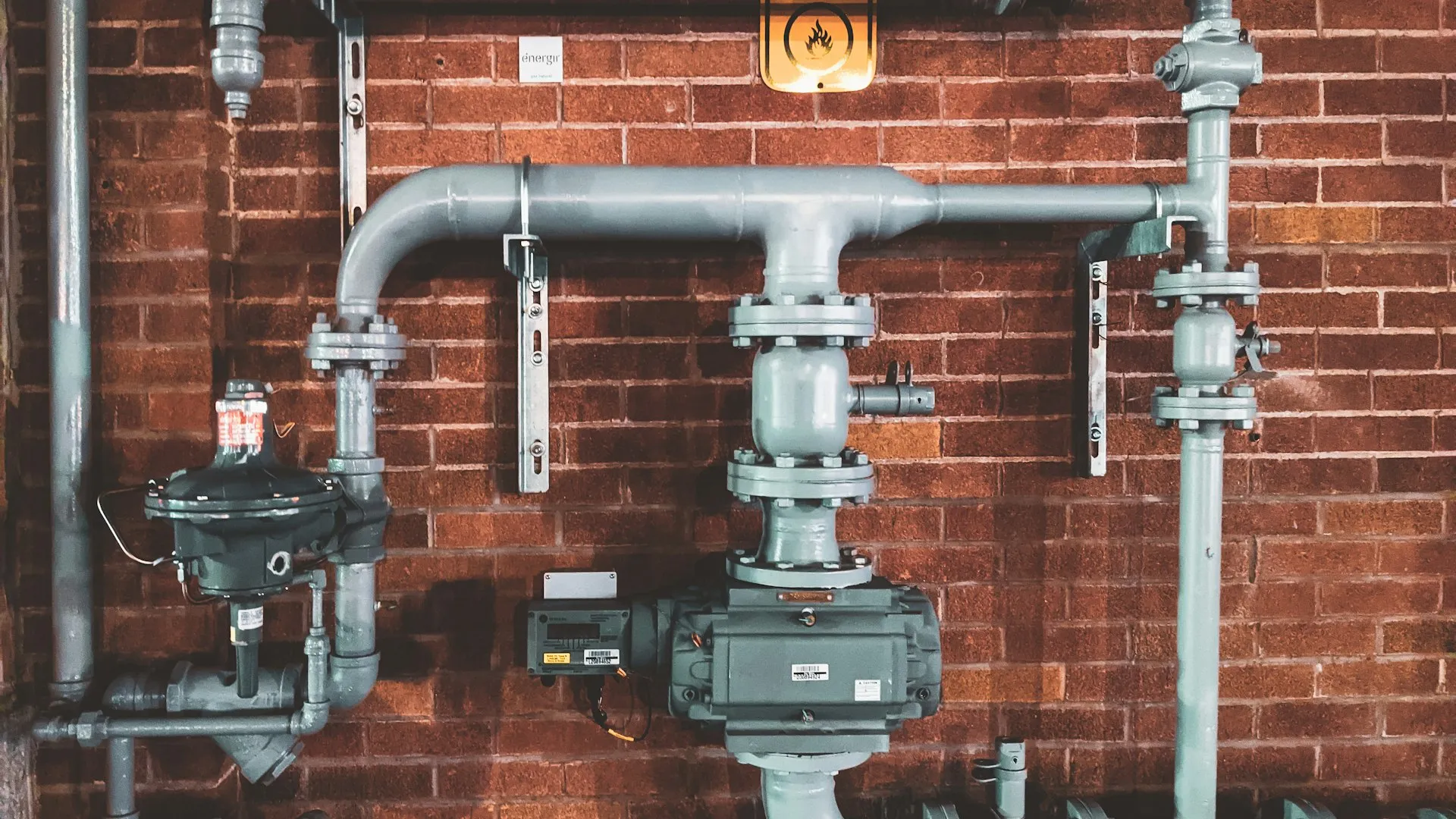
- Access point — A technician inserts a waterproof, high-definition camera into your sewer line through a cleanout or drain opening.
- Real-time video — The camera travels through the pipe, transmitting live video to a monitor so the technician can see the pipe’s interior condition.
- Problem identification — The camera reveals cracks, root intrusion, bellies, blockages, corrosion, and pipe material condition.
- Location marking — The camera has a locator that pinpoints the exact depth and location of any issues, so repairs target the right spot.
- Report — You receive a clear explanation of what was found and recommendations for repair.
The entire process typically takes 30 to 60 minutes and is completely non-invasive. No digging, no disruption. It’s one of the most valuable diagnostic tools in modern plumbing.
For more details on the process and what it costs, check out our sewer camera inspection guide.
When a Sewer Line Inspection Is Essential
Beyond the warning signs above, there are specific situations where a sewer line inspection is strongly recommended:
Buying a Home
A sewer scope inspection should be part of any home purchase in Northern Colorado. Standard home inspections don’t include the sewer line. Many buyers discover major sewer problems after closing, when the repair bill is entirely on them.
Homes Over 25 Years Old
Older homes in Fort Collins, Loveland, and surrounding areas often have clay or cast iron sewer pipes. These materials deteriorate over time and are more susceptible to root intrusion, corrosion, and cracking. If your home was built before 2000, a camera inspection every few years is good preventive maintenance.
After Major Tree Work
If you’ve recently removed a large tree or had significant landscaping done near your sewer line, an inspection confirms the roots haven’t damaged the pipe. Tree roots can continue growing into pipes for months after the tree is gone.
Spring Thaw in Colorado
Colorado’s freeze-thaw cycles are tough on underground pipes. When frozen ground thaws in spring, the shifting soil can crack joints, displace pipes, and create bellies. Scheduling an inspection in late March or April catches any winter damage before it becomes a backup.
Recurring Plumbing Issues
If you’ve had your drains snaked more than twice in the past year, it’s time for a camera inspection. Repeated snaking treats the symptom, not the cause. A camera inspection identifies what’s actually wrong so you can make a lasting fix. Trenchless sewer repair is often an option for pipe damage that doesn’t require excavating your yard.
Protect Your Home with a Proactive Inspection
Sewer line problems don’t fix themselves. Every sign on this list represents a problem that will get worse and more expensive over time. The good news is that a camera inspection is quick, affordable, and gives you the information you need to make smart decisions about your plumbing.
JT Plumbing Heating & Air provides professional sewer camera inspections for homeowners throughout Northern Colorado, including Fort Collins, Loveland, Windsor, Greeley, and surrounding communities. Our licensed technicians use high-definition camera equipment to give you a clear picture of your sewer line’s condition.
Call us at (970) 818-1613 to schedule your sewer line inspection today. If you notice any of the warning signs in this article, don’t wait for a backup to force your hand. Early detection saves money and protects your home.
Frequently Asked Questions
What is a sewer line inspection?
A sewer line inspection uses a specialized waterproof camera that travels through your sewer pipe to provide real-time video of the pipe’s interior. It identifies cracks, blockages, root intrusion, corrosion, and other damage without any digging.
How much does a sewer line inspection cost?
Camera inspections typically range from $100 to $400, depending on the length and accessibility of the sewer line. This is a small investment compared to the thousands it can cost to repair damage that goes undetected.
How often should sewer lines be inspected?
For homes over 25 years old, every 2 to 3 years is recommended. Newer homes should have an inspection every 5 years or whenever warning signs appear. Always get an inspection before buying a home.
How long does a sewer camera inspection take?
Most residential sewer camera inspections take 30 to 60 minutes. Complex systems or longer sewer lines may take slightly longer.
Can a sewer line inspection detect tree root intrusion?
Yes. Camera inspections clearly show tree roots that have entered the pipe through cracks or joints. This is one of the most common issues found during inspections in Northern Colorado, where mature trees are widespread.
Should I get a sewer inspection before buying a house?
Absolutely. A sewer scope inspection is one of the best investments you can make during the home-buying process. It can uncover thousands of dollars in hidden problems that a standard home inspection won’t catch.
Serving Northern Colorado
 All Service Areas


Serving our Community
At JT Plumbing Heating & Air, we feel it’s important to support our Northern Colorado community and the causes that are close to our family. Every year we support local charities, nonprofits, and sponsor community activities that are important to us. Learn more about the causes we support and how you can help.
COMMUNITY INVOLVEMENT