6 Factors in Collapsed Sewer Line Repair Cost
CALL NOW (970) 818-1613We pick up the phone, 24/7
CALL NOW (970) 818-1613If you live in an older home in communities like Loveland or Greeley, you probably know that your plumbing system requires a little extra attention. While you can see the pipes under your sink, the main sewer line remains hidden underground, silently doing its job—until it doesn’t. A failure in this critical line can cause messy backups and significant property damage. Understanding the potential risks and repair options ahead of time is one of the smartest things you can do as a homeowner. We’ll explore the common causes of sewer line failure and provide a clear breakdown of the collapsed sewer line repair cost so you can feel prepared, not panicked.
Key Takeaways
- Pay Attention to Early Warning Signs: Multiple slow drains, foul odors, and gurgling noises are your home’s way of signaling a serious sewer line problem. Calling a professional at the first sign of trouble can help you avoid a messy and expensive sewage backup.
- Compare Repair Methods to Protect Your Budget: While traditional excavation is an option, less invasive trenchless methods can often save you money. By repairing the pipe from the inside, you avoid the secondary costs of restoring your lawn, driveway, or patio.
- Invest in Prevention to Avoid an Emergency: The best way to handle a sewer line collapse is to prevent it from happening in the first place. Scheduling a professional camera inspection every couple of years helps you catch small cracks or root intrusions before they become a crisis.
What Is a Collapsed Sewer Line?
Think of your sewer line as the main highway for all the wastewater leaving your house. Every sink, toilet, and shower connects to this single, large pipe that runs underground from your home to the municipal sewer system. A collapsed sewer line happens when a section of this critical pipe breaks, cracks, or caves in on itself. This isn’t just a simple clog that a plunger can fix; it’s a complete structural failure that stops the flow of waste away from your property entirely. The pipe is physically broken, creating a major blockage and a serious plumbing emergency.
When this main artery is blocked, the wastewater has nowhere to go but back where it came from—into your home. This can lead to serious sewage backups in your basement, foul odors that permeate your property, and significant damage to your home’s foundation and landscaping. Because it involves biohazardous waste, a collapsed sewer line is more than an inconvenience; it’s a health hazard that requires immediate, professional attention. Ignoring the problem can lead to thousands of dollars in property damage and create an unhealthy living environment for your family. If you suspect an issue, it’s crucial to get a professional sewer line inspection to diagnose the problem accurately and safely.
Signs Your Sewer Line Has Collapsed
A collapsed sewer line usually gives off several warning signs before it becomes a full-blown catastrophe. Paying attention to these clues can help you catch the problem early. You might have a collapsed line if you notice:
- Multiple Slow Drains: If the sinks, tubs, and toilets all over your house are draining slowly, the problem is likely in the main sewer line, not an individual pipe.
- Foul Odors: A persistent smell of sewage in or around your home is a telltale sign that waste isn’t being carried away properly.
- Gurgling Noises: Strange gurgling sounds coming from your drains or toilets often indicate that air is trapped in the line due to a blockage or break.
- Soggy or Extra Green Patches in the Yard: A leaking sewer line can saturate the ground above it, creating mushy spots or a patch of lawn that’s unusually lush and green.
- Pest Infestations: Rodents and insects can be attracted to the contents of a broken sewer line and may use the crack as an entry point into your home.
Common Causes of a Sewer Line Collapse
Sewer lines are built to be durable, but they aren’t indestructible. Several factors can cause them to fail over time, especially in older homes around Fort Collins and Loveland. The most common culprits include:
- Tree Root Intrusion: This is a leading cause of sewer line damage. Tree roots are naturally drawn to the moisture and nutrients inside the pipe and can force their way through small cracks, eventually breaking the line apart as they grow.
- Aging Pipes: Older homes often have sewer lines made of clay or cast iron, which can become brittle and crack after decades of service.
- Shifting Soil: The soil in Colorado can shift due to freeze-thaw cycles, erosion, or nearby construction. This movement puts immense pressure on the pipe, which can cause it to crack or misalign.
- Corrosion: Older cast iron pipes can rust and corrode from the inside out, weakening the pipe’s structure until it eventually collapses.
What Factors Influence Repair Costs?
When you get a quote for a sewer line repair, you might wonder what goes into that final number. The truth is, the cost isn’t arbitrary; it’s a calculation based on several key factors specific to your property and the problem at hand. Understanding these variables will help you make sense of your estimate and see why one neighbor’s repair bill might look completely different from yours. From the location of the pipe to the type of material it’s made of, each element plays a role in the total investment required to get your home’s plumbing back in working order. Knowing what to expect can make the process feel much more manageable.
Location and Accessibility of the Damage
Where the collapsed pipe is located on your property is one of the biggest cost drivers. A break in an open, grassy area of your yard is relatively easy to access. However, if the damaged section is buried under a concrete driveway, a mature oak tree, or your prized rose garden, the job instantly becomes more complex. Our team has to account for the extra labor and equipment needed to work around these obstacles and then restore the area afterward. The depth of the pipe also matters—the deeper we have to dig, the more time and effort it takes, which is reflected in the cost of our drain and sewer services.
Your Pipe’s Material and Age
The type of pipes you have and how old they are significantly impact repair costs. Older homes in areas like Loveland or Greeley might have sewer lines made of clay or cast iron, which are prone to cracking and corrosion over time. These materials are often more difficult to repair and may require a full replacement. Newer homes typically use PVC pipes, which are more affordable and easier to work with, generally leading to lower repair costs. If we find that your home has outdated pipes, we might recommend a full replacement to prevent recurring issues, which is a larger upfront investment but saves you money and headaches down the road.
The Severity of the Damage
The extent of the problem is a crucial factor. A small crack or a single root intrusion is a much simpler fix than a completely collapsed line. A minor repair might only involve patching a small section, but a full collapse often requires replacing a significant length of pipe. A severely damaged line can cost thousands of dollars to replace. While that price tag can be intimidating, ignoring a broken sewer line can lead to raw sewage backing up into your home, creating serious health hazards and even more expensive cleanup costs. Addressing the problem head-on is always the safest and most responsible choice.
The Repair Method You Choose
You generally have two main options for sewer line repair: traditional excavation or trenchless methods. Traditional repair involves digging a large trench to expose and replace the pipe. It’s effective but can be highly disruptive to your landscaping. Trenchless repairs, on the other hand, are less invasive and can often be completed faster, potentially saving you money on restoring your yard. Methods like pipe lining or pipe bursting can cost between $50 and $200 per foot, but they protect your driveway, patio, and gardens. A professional plumbing team can assess your situation and recommend the most effective and economical solution for you.
Local Labor Rates and Permit Fees
Just like any other professional service, the cost of labor for a licensed plumber varies. Your final bill will also include the cost of obtaining the necessary permits from your city, whether you’re in Fort Collins, Windsor, or Johnstown. These permits ensure the work is done to code, protecting your home’s safety and value. It’s also important to remember that if sewage has backed up into your home, the cost of hazardous material cleanup is separate from the pipe repair itself. This type of cleanup requires specialized training and equipment to ensure your home is safe and sanitary.
Unexpected Obstacles and Conflicts
Sometimes, even with a thorough camera inspection, we run into surprises once the work begins. We might discover that the damage is more extensive than initially thought, with multiple breaks along the line. Other underground utilities, like gas or water lines, might be located too close to the sewer line, requiring careful and time-consuming work to avoid disruption. Buried rocks or difficult soil conditions can also slow down excavation. These unforeseen challenges can add to the project’s timeline and overall cost, which is why it’s important to have a small contingency fund set aside for any major home repair.
How Much Does Sewer Line Repair Actually Cost?
Alright, let’s talk numbers. When you’re facing a sewer line problem, the first question on your mind is almost always, “How much is this going to set me back?” The honest answer is: it varies. The final cost depends on several factors, like the extent of the damage, the location of the pipe, and the repair method used. Think of it less like buying a product off the shelf and more like a custom project for your home. While a national average might give you a ballpark idea, the price for a repair in Fort Collins or Loveland could be different.
The only way to get a precise number is to have a professional come out and assess the situation. A thorough inspection will reveal exactly what’s going on underground, allowing a plumber to recommend the most effective solution. This initial diagnosis is key to understanding the full scope of the work and avoiding any surprises down the road. We’ll break down the costs associated with different repair methods and other potential expenses so you can feel more prepared to handle this unexpected home repair. Understanding these components will help you ask the right questions and make an informed decision for your property.
The Price of Traditional Excavation
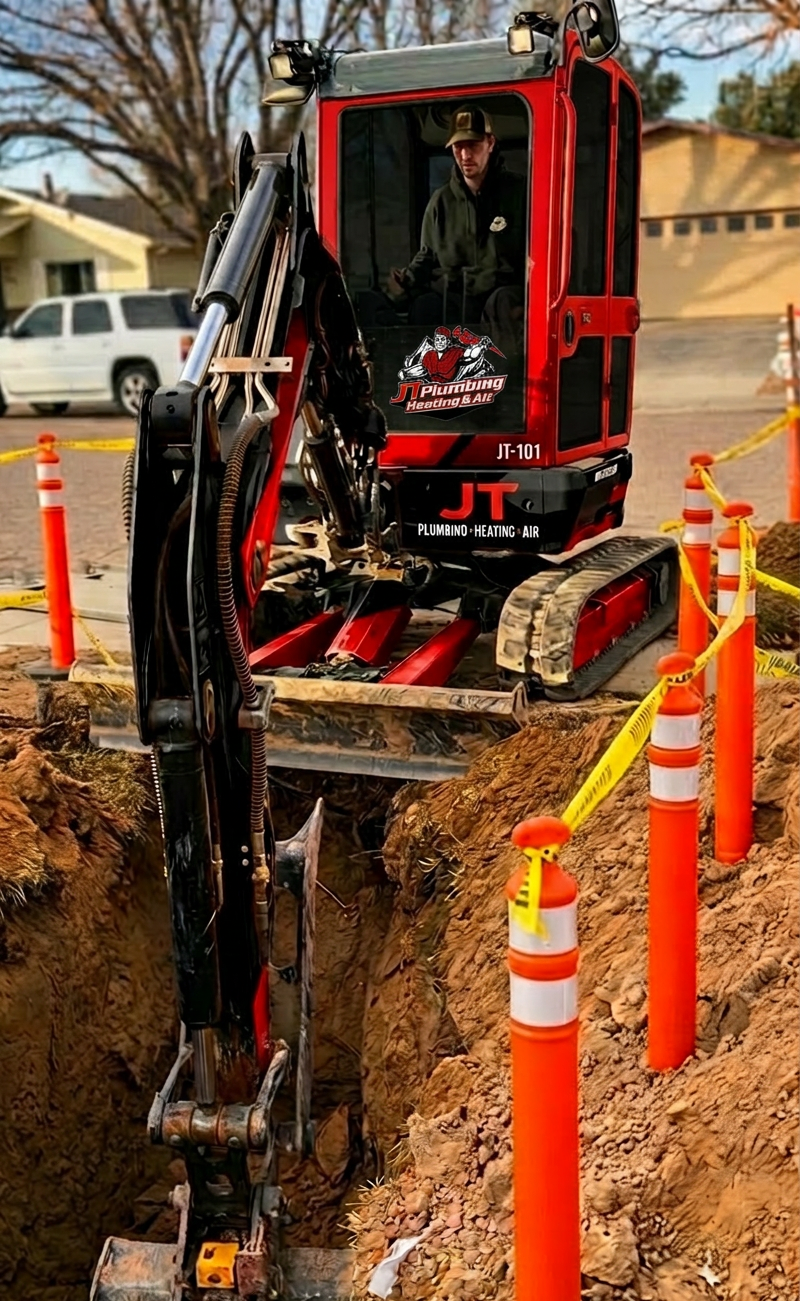
The traditional method of sewer line repair involves bringing in an excavator to dig a large trench along the damaged pipe. This gives plumbers direct access to remove the old section and install a new one. While effective, it’s also the most disruptive and often the most expensive option. You can expect costs to range from $7,500 to $30,000, which breaks down to about $400 to $500 per foot. A major part of this cost comes from the heavy machinery and labor required for the excavation and, just as importantly, the restoration work needed to fix your lawn, garden, or driveway afterward.
The Price of Trenchless Repairs
A more modern and less invasive alternative is trenchless sewer repair. This approach avoids major excavation by repairing the pipe from the inside out, usually through small access points. Because it saves your landscaping and driveway from being torn up, it’s often a more cost-effective solution overall. The price for trenchless methods typically falls between $3,500 and $12,000, or about $125 to $500 per foot. By choosing a trenchless option, you’re not just fixing the pipe; you’re also saving on the significant secondary costs of putting your yard back together. It’s a key part of our drain and sewer services.
Camera Inspection and Diagnostic Fees
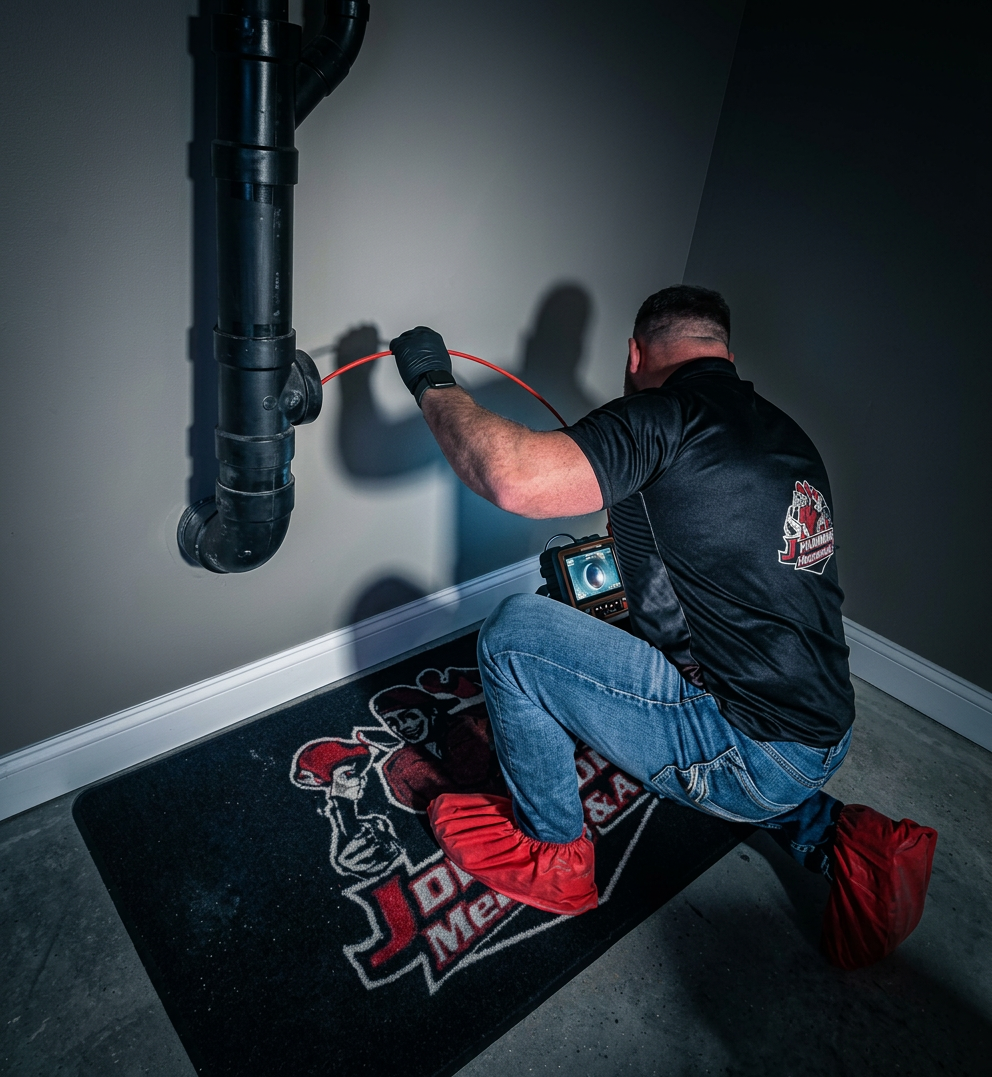
Before any work begins, a professional plumber will need to perform a sewer camera inspection. This involves feeding a small, high-resolution camera into your sewer line to pinpoint the exact location and cause of the problem. This step is non-negotiable—it ensures you’re not paying for the wrong repair. The cost for this diagnostic service typically ranges from $175 to $800. While it’s an upfront expense, this inspection saves you money in the long run by providing an accurate diagnosis, which is the foundation for an effective and lasting repair.
Hidden Expenses to Watch For
The quote for the pipe repair itself might not be the final number. It’s important to ask about other potential costs that can pop up. If the old pipe was dug up, you’ll need to budget for landscaping, driveway, or patio repairs. If sewage backed up into your home, the cost of water damage restoration and hazardous waste cleanup is a separate expense. Always ask your contractor for a detailed estimate that outlines exactly what is and isn’t included. When you’re ready for a clear and comprehensive quote, you can contact our team to schedule an inspection.
What Are Your Repair Options?
When you’re facing a collapsed sewer line, the good news is that you have more than one way to fix it. Modern plumbing offers a few different approaches, each with its own pros and cons. The two main categories are the traditional dig-and-replace method and the more modern trenchless methods. The right choice for your home in Fort Collins or Loveland depends on several factors, including the extent of the damage, the location of your sewer line, and your budget.
Making an informed decision here is crucial, as it affects not only the upfront cost but also the disruption to your property and daily life. Understanding these options before you call a professional can help you ask the right questions and feel confident in your choice. A qualified plumber will always start with a camera inspection to get a clear picture of the problem and recommend the most effective solution. At JT Plumbing Heating & Air, we specialize in drain and sewer services and can walk you through the best path forward, ensuring you get a lasting repair without unnecessary costs or disruption. Let’s break down the most common repair methods.
Traditional Dig-and-Replace Method
This is the classic approach to sewer line repair and, for a long time, was the only one available. The traditional method involves exactly what it sounds like: a team excavates a large trench along the damaged section of pipe to expose it completely. Once the old, broken pipe is accessible, it’s removed and a new one is laid in its place.
While it’s a straightforward and effective solution, the major drawback is the disruption to your property. This method requires digging up your lawn, garden beds, driveway, or patio to get to the pipe. Afterward, you’ll have the additional cost and effort of restoring your landscaping. In some cases of severe collapse or extensive damage, however, this may be the only viable option.
Trenchless Pipe Lining
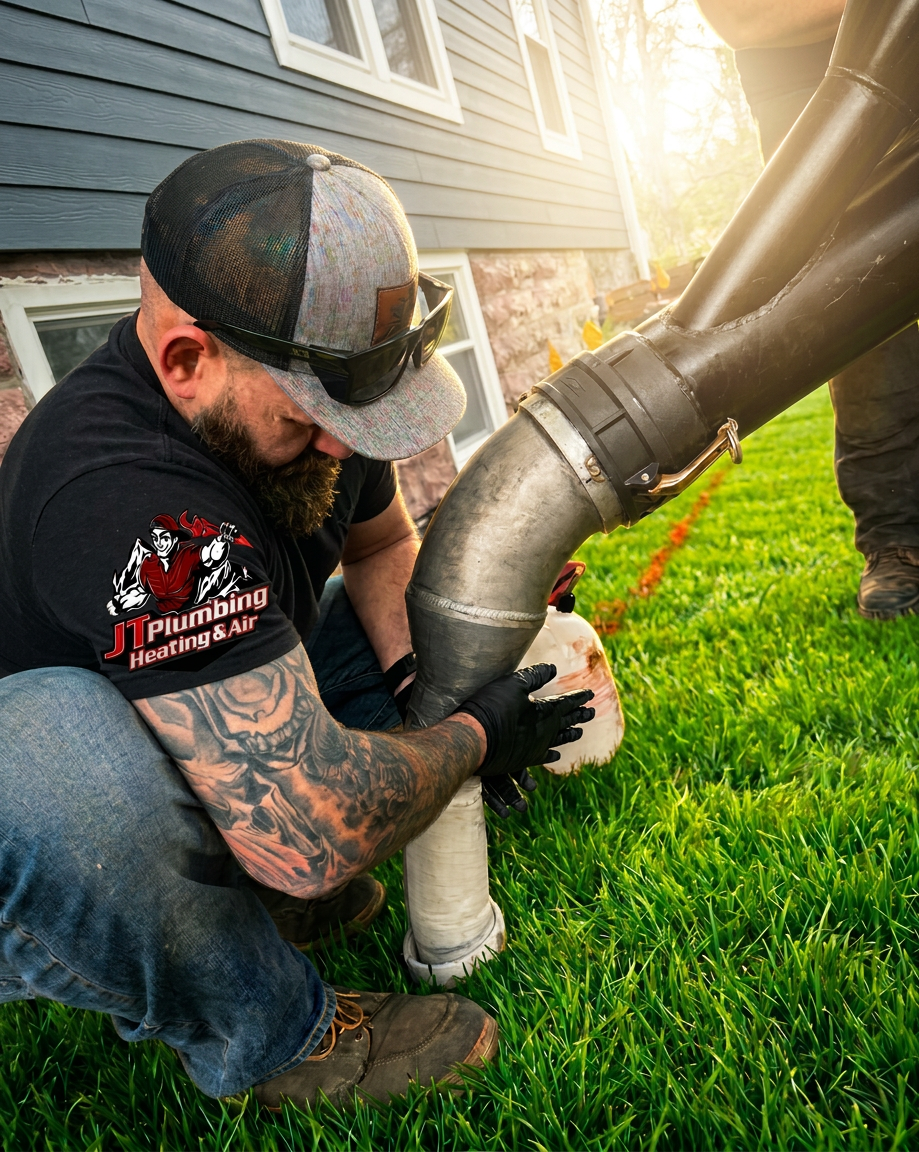
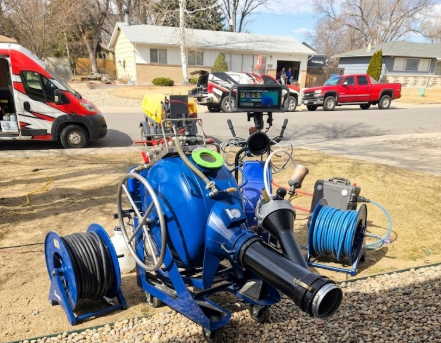
If the thought of a backhoe tearing up your yard makes you cringe, trenchless pipe lining might be the perfect solution. This innovative method fixes the damaged pipe from the inside out, requiring little to no digging. A flexible, resin-coated liner is inserted into the old pipe and then inflated, pressing it against the walls of the original pipe. The resin cures in place, creating a brand-new, seamless pipe inside the old one.
This new pipe is incredibly durable and resistant to cracks, corrosion, and tree root intrusion. Because it fixes pipes without digging, trenchless lining preserves your landscaping, driveway, and other structures. It’s a faster, less invasive process that can often be completed in a single day, making it a popular choice for homeowners in Windsor and Greeley.
Pipe Bursting Technology
Pipe bursting is another trenchless technique that replaces a sewer line without major excavation. This method is ideal when the existing pipe is too damaged for lining. The process involves digging two small access pits at either end of the damaged pipe section. A powerful hydraulic machine then pulls a new, high-density polyethylene (HDPE) pipe through the old one. As the new pipe is pulled through, a “bursting head” at the front fractures the old, damaged pipe outward into the surrounding soil.
This process effectively breaks apart the old pipe while simultaneously laying a brand-new one in its place. Pipe bursting is an excellent option for replacing severely damaged lines or even for upsizing your sewer line to a larger diameter if needed.
Comparing the Costs of Each Method
When comparing repair options, it’s important to look at the total project cost, not just the price per foot. Traditional excavation can range from $50 to over $250 per foot, but this doesn’t include the thousands you might spend on restoring your lawn, patio, or driveway.
Trenchless methods, like lining or bursting, often range from $50 to $200 per foot. While the initial quote might seem higher in some cases, it’s often the more cost-effective choice once you factor in the savings from not having to do extensive landscape repair. The final price depends on the length and depth of the pipe, the severity of the damage, and accessibility. The best way to get an accurate picture is to have a professional provide a detailed estimate for your property.
How to Choose the Right Contractor
Finding the right contractor is the most critical step in handling a collapsed sewer line. This isn’t just about finding the lowest price; it’s about hiring a skilled, trustworthy professional who will do the job correctly and stand by their work. A major repair is stressful enough without adding a bad contractor to the mix. Taking the time to vet your options carefully will give you peace of mind and protect your investment in your home. From checking credentials to spotting red flags, here’s how to choose a contractor you can count on.
Verify Their License and Insurance
Before you even start talking about price, make sure any contractor you consider is properly licensed and insured. A license confirms they have met the required training and competency standards for plumbing work in Colorado. More importantly, proper insurance protects you. If a worker gets injured on your property or your home sustains damage during the repair, the contractor’s liability and worker’s compensation insurance should cover it. Without it, you could be held financially responsible. A reputable company will have no problem providing you with proof of their credentials, so don’t be afraid to ask.
Get Multiple, Detailed Estimates
It’s wise to get at least three different estimates for a major repair like a sewer line replacement. This helps you understand the typical cost for the job in the Fort Collins area. However, don’t just look at the final number. Ask for a detailed, itemized quote that breaks down the costs for labor, materials, permits, and any other fees. This allows you to compare offers accurately. Be wary of any bid that is significantly lower than the others, as it could indicate subpar materials or inexperienced labor. It’s often worth paying for an additional camera inspection if it helps you get a more precise and fair estimate.
Check Reviews and Ask for References
Online reviews on sites like Google can give you a good initial feel for a company’s reputation, but don’t stop there. Ask the contractor for references from past customers who had similar work done. Speaking directly with someone who has been through the process can provide invaluable insight into the contractor’s communication, professionalism, and quality of work. You can also ask for recommendations from friends, family, or neighbors in your community. A contractor with a long history of happy customers in areas like Loveland, Windsor, or Greeley is usually a safe bet.
Red Flags to Avoid When Hiring
Trust your instincts during the hiring process. There are several red flags that can signal an unreliable or dishonest contractor. Be cautious of anyone who uses high-pressure tactics, like telling you the offer is only good for today. Vague estimates or a refusal to put the quote in writing are also major warning signs. You should also be wary of contractors who demand full payment upfront or ask for payment in cash. While good contractors are often busy, extreme and immediate availability for a large project can sometimes indicate a lack of demand for their services for a reason.
What to Look for in a Warranty
After investing in a major sewer line repair, the last thing you want is another surprise problem. This is where a solid warranty comes in—it’s your contractor’s promise that they stand behind their work and the materials they use. Think of it as a safety net that provides peace of mind and protects your investment. However, not all warranties are created equal, and the details in the fine print can make a huge difference. Before you sign any contract, it’s essential to understand exactly what is covered, for how long, and under what conditions.
A good warranty should be clear and comprehensive, leaving no room for confusion. It reflects a contractor’s confidence in their skills and their commitment to you as a customer. When a company offers a strong warranty, it shows they use quality materials and trust their team to do the job right the first time. Asking detailed questions about warranties can help you distinguish a reputable professional from someone who might cut corners. A contractor who is vague or hesitant to put their promises in writing is a major red flag. Let’s break down the key components of a reliable warranty so you know exactly what to look for when protecting your home and your wallet.
Workmanship Guarantees
A workmanship guarantee is a promise that covers the quality of the installation and repair service itself. It’s the contractor’s way of saying, “We did the job correctly, and we’ll fix it if our work was faulty.” This type of warranty typically covers the cost of labor and any materials needed to correct an issue that stems from the initial repair process. When getting an estimate, be sure to ask how long the workmanship guarantee lasts and what specific situations it covers. A confident contractor will have no problem providing these details in writing so you have a clear record of their commitment.
Material Warranties and Their Limits
Separate from the workmanship guarantee is the material warranty, which covers the physical pipes and parts used in the repair. These warranties usually come from the manufacturer, not the plumbing company. It’s important to understand that these can have specific limitations. For example, a warranty might only apply to certain types of pipe materials, leaving you unprotected if a different type was used. Ask your contractor about the materials they plan to use for your sewer line repair and what the manufacturer’s warranty entails. Knowing these limits ahead of time prevents unexpected costs down the road and ensures you get a durable, long-lasting solution.
Common Warranty Misconceptions
One of the most common and costly misconceptions is that your standard homeowner’s insurance policy will cover a collapsed sewer line. In most cases, it won’t. Sewer line failure is often considered a maintenance issue, which standard policies typically exclude. You may be able to purchase additional coverage, sometimes called a “service line endorsement” or “rider,” but it’s not automatic. Before you find yourself in an emergency, take a moment to review your insurance policy or call your agent to clarify exactly what is and isn’t covered. This simple step can save you a major financial headache.
Understanding Service Line Programs
It’s also crucial to understand your responsibility as a homeowner. Many people living in communities from Greeley to Windsor are surprised to learn that they are responsible for the sewer line that runs from their house to the main city connection. The utility’s responsibility ends at the property line. This is precisely why a contractor’s warranty or a separate service line protection plan is so valuable—it covers the portion of the pipe that is yours to maintain. Knowing where your responsibility begins and ends helps you make informed decisions about protecting your home. If you have questions, a trusted local plumber can help clarify your specific situation.
How to Financially Prepare for a Major Repair
A collapsed sewer line is one of those home repairs that can feel financially overwhelming. It’s almost always unexpected, and the price tag can be a shock. But having a plan can make a stressful situation much more manageable. Taking a few deep breaths and thinking through your financial options will help you make clear-headed decisions for your home and your budget.
Check Your Insurance Coverage
The first question most homeowners ask is, “Will my insurance cover this?” Unfortunately, the answer is usually no. A standard homeowner’s insurance policy typically does not cover repairs to the sewer line on your property, as it’s often considered a maintenance issue. You will likely have to pay the full cost yourself. However, you should always call your insurance agent to review your specific policy. Some providers offer optional add-ons or separate service line protection policies that might provide coverage. It’s worth a five-minute phone call to be certain about where you stand before you start paying out-of-pocket.
Explore Financing and Payment Plans
Let’s be realistic—most of us don’t have thousands of dollars sitting around for an emergency sewer repair. Don’t hesitate to ask potential contractors if they offer financing options or payment plans. Many companies partner with lenders to help homeowners manage the cost of large projects. This is also why getting multiple estimates is so important. While you might have to pay for an initial camera inspection, it’s worth getting a second or even third opinion. Another expert might identify a more affordable repair method, potentially saving you a significant amount of money on the final bill.
Tap Into Your Emergency Fund
If you have an emergency fund, this is exactly the kind of situation it was made for. Using these savings can prevent you from taking on new debt during an already stressful time. Keep in mind that the quote for the pipe repair might not be the only expense you face. Costs for cleaning up hazardous contamination inside your home if you’ve experienced a sewage backup are usually separate from the sewer line replacement cost. Your emergency fund can provide a critical buffer to handle these additional, urgent expenses without derailing your finances for months to come.
Budget for Potential Hidden Costs
The estimate from your plumbing contractor covers the direct repair, but it’s rarely the total cost. Beyond the repair itself, you might have extra costs for fixing your landscaping, driveway, or cleaning up a flooded basement. If the damage is severe, you may even need to budget for a hotel stay while the work is completed. When reviewing estimates, ask contractors to clarify exactly what is and isn’t included. A detailed quote will help you create a more accurate budget and avoid sticker shock when all the work is done.
What to Do if You Suspect a Collapse
Realizing you might have a collapsed sewer line is alarming, but a clear head and quick action can prevent the problem from getting worse. If you’re seeing the warning signs, here’s a straightforward plan to follow.
Take These Immediate Safety Steps
First, stop using your water. This means no flushing toilets, running faucets, or starting the dishwasher or washing machine. Any water you send down the drain could end up backing into your home or worsening a potential sinkhole in your yard. Next, keep everyone—including pets—away from any areas with sewage backup or soggy spots on your lawn, as raw sewage contains harmful bacteria. If you notice any of the tell-tale signs of a collapsed pipe, your first and most important move is to call a professional plumber right away. Acting fast is key to minimizing damage and protecting your family’s health.
Prepare for the Contractor’s Visit
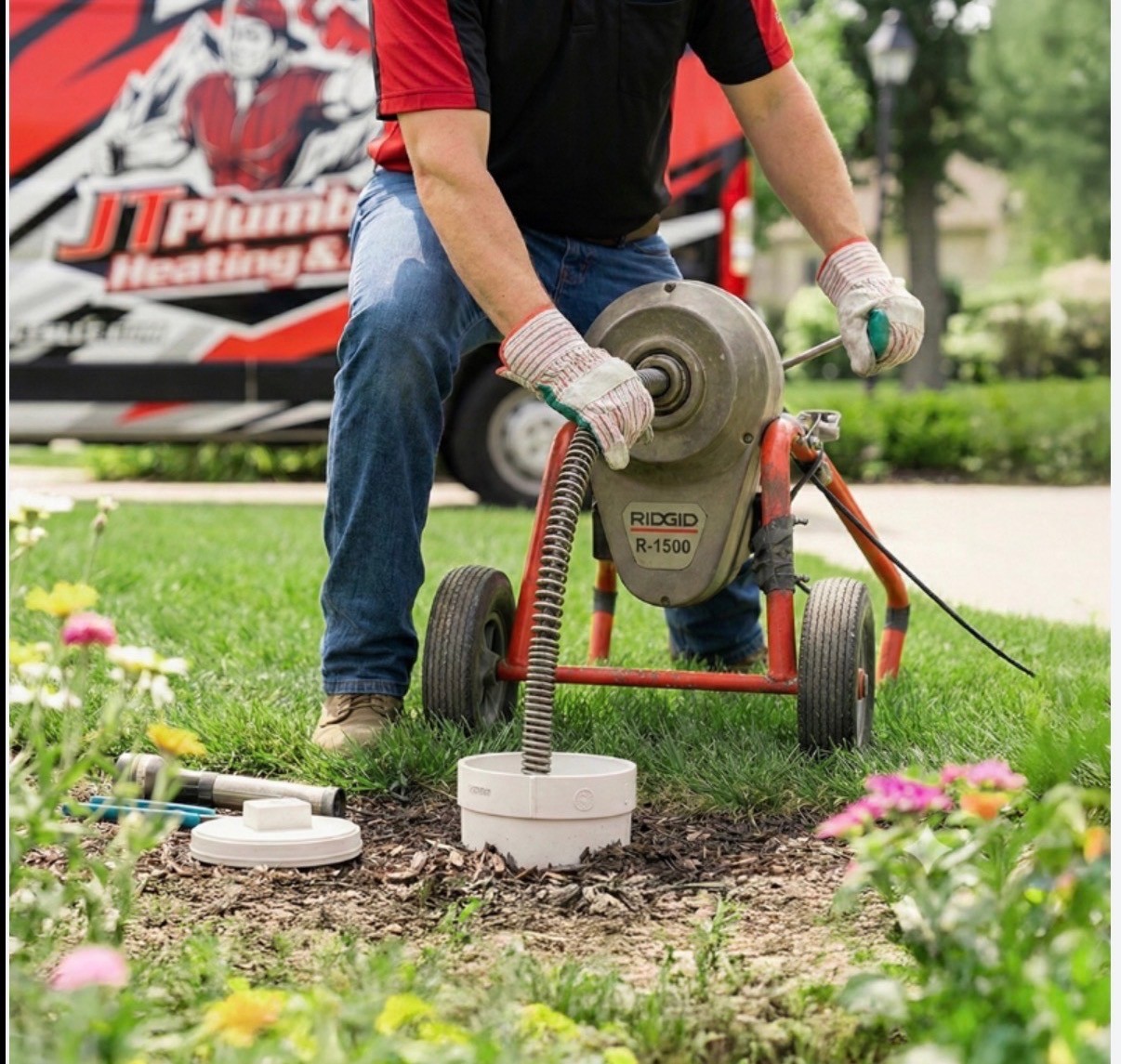
While you wait for help to arrive, there are a few things you can do to make the process smoother. If you know where your sewer cleanout is located (usually a capped pipe in your yard or basement), make sure the area around it is clear of any obstructions. This gives the technician easy access to your system. It’s also a great idea to jot down a list of all the issues you’ve noticed, like which drains are slow, where you’ve heard gurgling noises, and when the foul odors started. An expert will need to find the exact location and cause of the problem, often using a specialized video camera, to give you an accurate plan and cost for the repair. Your detailed notes will give them a head start.
Document Everything You Can
Grab your phone and start documenting. Take clear photos or videos of any visible evidence of the problem. This includes water damage on your floors or walls, cracks in your home’s foundation, or any indentations or unusually green patches of grass in your yard. It’s also helpful to create a simple timeline. When did you first notice the slow drains? When did the smell appear? Having this record is incredibly useful for your plumber and can be essential if you need to file a homeowner’s insurance claim. This documentation provides a clear picture of the situation and helps you understand what kind of proactive care might be needed to protect your sewer system in the future.
How to Prevent Future Sewer Line Problems
After dealing with a major sewer line repair, the last thing you want is a repeat performance. The good news is that you can take control and significantly reduce the risk of future problems. Being proactive with your home’s plumbing isn’t just about avoiding a mess; it’s about protecting your property and your peace of mind. A little attention now can save you from major headaches and expenses down the road.
Think of your sewer line like any other critical part of your home—it needs regular care to function properly. By adopting a few simple habits and knowing what to look for, you can keep your system running smoothly for years to come. It’s all about shifting from a reactive mindset to a preventative one.
Schedule Regular Maintenance and Inspections
The single best way to prevent a sewer line catastrophe is to catch problems before they escalate. Proactive measures help identify potential issues early, extending the lifespan of your sewer system and reducing the likelihood of needing frequent repairs. We recommend scheduling a professional sewer line inspection every one to two years, especially if you live in an older home with aging pipes. During an inspection, a technician can run a specialized camera through your pipes to spot cracks, root intrusion, or blockages that aren’t visible from the surface. This gives you a clear picture of your system’s health and allows you to address minor issues before they become full-blown emergencies.
Know the Early Warning Signs
Your home often gives you subtle clues that something is wrong with the sewer line. The key is to listen. If you notice any signs of trouble, don’t ignore them. Common red flags include slow drains across multiple fixtures, gurgling sounds from your toilets, and persistent bad smells inside or outside your home. You might also see physical evidence outdoors, like an unusually green and lush patch of grass, soggy ground in your yard, or an increase in pests like rodents and insects. These are all signs of cracked or collapsed pipes that need immediate attention. Acting quickly can make all the difference.
How Proactive Care Saves You Money
It might seem counterintuitive to spend money on maintenance when nothing is obviously wrong, but this approach is a smart financial move. The cost of a routine inspection is a tiny fraction of what you’d pay for an emergency excavation and pipe replacement. If you think you have a sewer line problem, it’s best to contact an experienced team right away. This can help stop more damage and prevent higher costs from accumulating. Think of it as an investment in your home’s infrastructure. Addressing a small crack or a minor root problem today can prevent a complete line collapse and the associated property damage tomorrow.
Related Articles
- What’s the Cheapest Way to Replace a Sewer Line?
- Sewer Line Repair Fort Collins CO | Sewer Line Repair Near Me | Sewer Repair Services | JT Plumbing
- Sewer Line Installation Fort Collins CO | Sewer Replacement | JT Plumbing
- Trenchless Sewer Repair Fort Collins CO | No Dig Sewer Repair Near Me | JT Plumbing
- Water Line Services Fort Collins CO | JT Plumbing
Frequently Asked Questions
How long does a typical sewer line repair take? The timeline really depends on the repair method we use. A trenchless repair, like pipe lining, can often be completed in just one day because there’s very little digging involved. A traditional excavation, however, is a more involved process. It can take several days to dig the trench, replace the pipe, and then fill everything back in, and that doesn’t include the time it might take to restore your landscaping or driveway.
Is a trenchless repair always the best choice? While trenchless methods are fantastic for minimizing disruption to your yard, they aren’t a universal solution. They work best when the existing pipe is still relatively intact. If a line is severely collapsed or has significant structural issues, a traditional dig-and-replace repair might be the only way to ensure a stable, long-term fix. A professional camera inspection is the only way to determine which method is right for your specific situation.
My house is brand new. Do I still need to worry about my sewer line? It’s a common thought, but unfortunately, new homes aren’t completely immune to sewer line problems. While you don’t have to worry about old, corroded pipes, issues can still pop up. Sometimes, problems are caused by improper installation during construction or soil that shifts and settles after the build, putting pressure on the pipes. It’s always wise to pay attention to the warning signs, no matter the age of your home.
Will my homeowner’s insurance cover a collapsed sewer line? This is a critical question, and the answer is usually no. Most standard homeowner’s insurance policies consider a sewer line failure to be a maintenance issue, which they don’t cover. Some providers offer a special add-on, often called a service line endorsement, that you can purchase for extra protection. The best thing to do is call your insurance agent directly to understand exactly what your policy includes.
What’s the difference between a simple clog and a collapsed line? A simple clog usually affects just one drain in your house, like a slow-draining kitchen sink or a backed-up shower. A collapsed sewer line is a much bigger problem that impacts your entire home. If you notice that all your drains are slow, you hear gurgling from multiple toilets, and you smell sewage around your property, you’re likely dealing with an issue in the main line, not just a simple blockage.