How to Clean a Clogged Sink Drain: A DIY Guide
CALL NOW (970) 818-1613We pick up the phone, 24/7
CALL NOW (970) 818-1613That moment of frustration when your sink backs up is a familiar one for many homeowners. Your first instinct might be to call for help, but what if you could solve the problem in minutes with items you already have? Most minor clogs don’t require a professional visit. With a little know-how, you can safely and effectively clear the blockage yourself, saving both time and money. We’ll show you the safe first steps to take, followed by simple methods for cleaning a clogged sink drain using pantry staples and basic tools. We’ll also cover the warning signs that indicate it’s time to call in the experts.
Key Takeaways
- Start with Safe, At-Home Fixes: Before calling for help, try clearing minor clogs with simple methods like using boiling water for grease, a baking soda and vinegar solution to dissolve buildup, or a plunger to dislodge the blockage.
- Know the Warning Signs of a Deeper Problem: Pay attention to recurring clogs, gurgling sounds, or multiple slow drains throughout your home, as these are clear indicators of a main line issue that requires a professional.
- Adopt Simple Habits to Prevent Future Clogs: The best way to handle a clog is to avoid it in the first place. Use drain strainers to catch hair and food, dispose of grease in the trash, and perform a monthly hot water flush to keep your pipes clear.
Why Is My Sink Clogged?
That slow-draining sink is more than just an annoyance—it’s a sign that a blockage is forming. Before you can fix it, you need to understand what you’re up against. Most sink clogs don’t happen overnight. They’re the result of weeks or months of buildup from everyday use. The culprit often depends on the location of the sink; what clogs a bathroom drain is usually different from what stops up the kitchen sink.
Identifying the cause is the first step toward finding the right solution. While some clogs can be handled with simple DIY methods, others might point to a bigger issue that needs a professional eye. If you’re dealing with stubborn drain clogs that just won’t quit, it’s always best to get an expert opinion. For homeowners in Fort Collins, Loveland, and the surrounding areas, understanding these common causes can save you a lot of time and frustration.
Hair and Soap Scum
If your bathroom sink is the problem, the most likely culprits are hair and soap scum. Every time you wash your hands, shave, or brush your hair over the sink, loose strands find their way down the drain. On their own, they might wash away. But when combined with the sticky residue from bar soap or thick lotions, they create a matted, gunky mess. This buildup clings to the inside of your pipes, catching more hair and debris over time until water can barely pass through. It’s a slow process, but eventually, it leads to a complete blockage.
Grease and Food Scraps
In the kitchen, the biggest enemies of your drain are grease, oil, and fats. It might seem harmless to pour leftover bacon grease or oily sauces down the sink—after all, they’re liquid when they’re hot. The problem is they don’t stay that way. As the grease cools, it solidifies and coats the inside of your pipes, creating a sticky trap for food particles, coffee grounds, and other debris. Over time, this greasy sludge hardens and narrows the pipe, leading to stubborn clogs that are tough to clear. That’s why it’s always best to dispose of grease in the trash, not down the drain.
Small Objects and Debris
Sometimes, a clog is caused by something that was never meant to go down the drain in the first place. Small, foreign objects can accidentally fall in and create an instant blockage. Think of things like bottle caps, fruit stickers, jewelry, or even small toys, thanks to a curious toddler. Beyond these accidental clogs, general debris and mineral buildup from hard water can also contribute to slow drains. These mineral deposits can roughen the inside of pipes, making it easier for other gunk to get stuck and form a clog.
First Steps for a Clogged Sink
That moment when the water in your sink stops draining is frustrating, but don’t reach for harsh chemicals just yet. Before trying any major fixes, a few simple steps can help you understand the problem and maybe even solve it. By clearing the way and investigating, you can figure out what you’re dealing with and choose the right approach. These initial actions are crucial for a safe, effective DIY fix and are the same first steps any professional would take when assessing a stubborn drain clog. Let’s walk through what to do first.
Safely Remove Standing Water
First things first, deal with that pool of murky water. Working in a full sink is messy and makes it impossible to see what’s going on in the drain. Grab a cup or small bucket and carefully bail out the standing water, pouring it down another working drain like your bathtub. Getting the water out of the way gives you a clear workspace and prevents accidental splashes or spills once you start working on the clog. It’s a simple but essential step for a cleaner, more effective process.
Check the Stopper and Strainer
With the water gone, your next move is to check the most obvious culprit: the drain stopper or strainer. These parts are designed to catch debris, but over time, they can become the source of the blockage. Pull out the stopper and give it a thorough cleaning, removing any hair, soap scum, or gunk that has built up. If you have a mesh strainer, clean that, too. You might be surprised to find this simple cleanup is all it takes to get your sink draining freely again. It’s a quick check that saves you extra work.
Assess How Bad the Clog Is
Now it’s time to play detective. What’s causing the clog? In a bathroom sink, the blockage is often hair and soap scum. In the kitchen, it’s more likely grease and food scraps. Understanding the cause helps you choose the best method for clearing it. Is the water draining very slowly, or is it completely stopped? A slow drain is usually an easier fix than a complete blockage. Many minor clogs can be resolved with household items, saving you a trip to the store or a call for professional plumbing services.
Simple DIY Fixes for Your Sink Drain
Before you pick up the phone, you might be able to clear that slow-draining or fully clogged sink yourself. Many common clogs are caused by a simple buildup of hair, soap, and grease that can be dislodged with a little effort and a few household items. These DIY methods are a great first line of defense and can save you time and money. They’re most effective on minor, localized clogs—like in a single bathroom or kitchen sink.
Give these five simple fixes a try. If the clog is too stubborn or you suspect a bigger problem, don’t hesitate to call for professional drain clearing. It’s always better to have an expert take a look than to risk damaging your pipes.
Try the Boiling Water Method
This is the easiest trick in the book and works wonders on greasy kitchen clogs or soap scum buildup in the bathroom. First, remove any standing water from the sink basin. Next, carefully boil a full kettle of water and pour it directly down the drain opening. The intense heat can often melt and dissolve the gunk holding the clog together. Give it a few minutes, and if the water starts to drain, you’re in business. If it’s still slow, you can repeat the process two or three more times. Just be mindful if you have PVC pipes, as repeated exposure to boiling water can sometimes soften them.
Use Baking Soda and Vinegar
For a fizzy, powerful, and non-toxic solution, turn to two pantry staples: baking soda and vinegar. This combination creates a chemical reaction that can break down tougher buildup like hair and grime. Start by pouring about a cup of baking soda down the drain, making sure it goes down the opening. Follow it with one cup of plain white vinegar. It will start to bubble and fizz immediately. Place a drain stopper over the opening to contain the reaction below the surface. Let it work its magic for 15 to 60 minutes, then flush the drain thoroughly with hot tap water. This is a much safer alternative to harsh chemical drain cleaners, which can damage your pipes over time.
Use Dish Soap and Hot Water
If you’re dealing with a greasy clog in your kitchen sink, liquid dish soap can be your best friend. The soap is formulated to cut through grease on your dishes, and it does the same thing in your pipes. Squirt a generous amount—about a quarter of a cup—down the drain. Let it sit for a few minutes to penetrate the clog. Then, follow it up with a pot of very hot or boiling water. The dish soap helps lubricate the clog and break down the grease, allowing the hot water to flush everything away smoothly. It’s a simple but surprisingly effective method for keeping your kitchen drain flowing freely.
Grab Your Plunger
Sometimes, a clog just needs a little pressure to get moving. For this, a simple cup plunger is your best tool. Before you start, fill the sink with a few inches of water—enough to completely submerge the cup of the plunger. This water is essential for creating a powerful seal and forcing pressure down the pipe, not just splashing air around. If you have a double-basin kitchen sink, be sure to block the other drain with a wet cloth. Place the plunger firmly over the clogged drain and pump it vigorously up and down for about 20 seconds. When you pull the plunger away, the suction should help dislodge the blockage.
Clean the P-Trap Manually
If the methods above don’t work, the clog is likely located in the P-trap, which is the U-shaped pipe under your sink. This fix is a bit more hands-on but is often the most effective. First, place a bucket directly underneath the P-trap to catch any water and gunk. Use your hands or a pair of pliers to loosen the slip nuts on either side of the bend. Once they’re loose, the trap should come right off. Empty the contents into the bucket, and use a small brush or paper towel to clean out any remaining debris. Once it’s clean, simply reattach it and hand-tighten the nuts. Run the water for a minute to check for leaks and confirm the drain is clear. If you’re not comfortable with this step, it might be time to call for plumbing services.
Using Tools to Clear a Stubborn Clog
If you’ve tried the simpler methods and your sink is still backed up, don’t throw in the towel just yet. Sometimes, a clog is just too stubborn or deep for boiling water and plungers. When that happens, it’s time to reach for a few specialized tools. These methods require a bit more effort, but they can often break up the tough blockages that basic fixes can’t handle.
When to Try a Stronger Method
You’ll know it’s time for a stronger approach when you’ve tried plunging, the baking soda and vinegar trick, and cleaning the P-trap, but the water is still draining slowly or not at all. This usually means the clog is located further down the pipe, beyond the immediate reach of these first-line defenses. For these deep-seated clogs, using a tool designed to physically break up or pull out the blockage is your most effective next step.
How to Use a Drain Snake
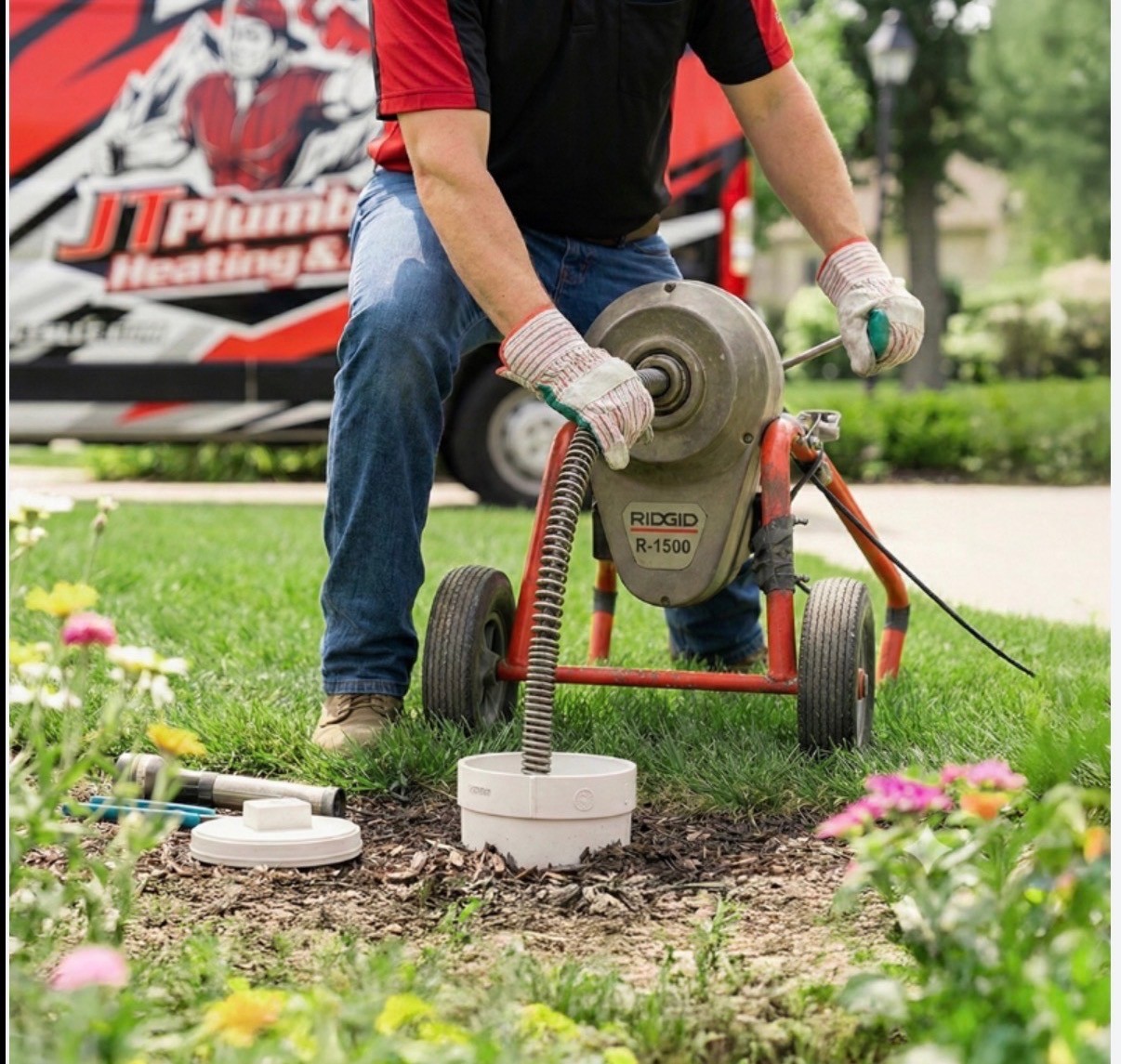
A drain snake, also called a plumber’s auger, is a flexible tool that can reach deep into your pipes. To use it, feed the coiled wire end into the drain opening. Gently push it down until you feel resistance—that’s the clog. Once you’ve made contact, turn the handle to rotate the tip, which will help break up the blockage or hook onto it. Then, you can carefully pull the snake back out, bringing the gunk with it. If this sounds like too much, our team can handle any drain clearing for you.
Using a Wet/Dry Vacuum
If you have a wet/dry shop vacuum, you can use it to suck a clog right out of the pipe. First, set your vacuum to the “wet” setting. Then, create a tight seal around the drain opening with the vacuum hose—you might need to use a plunger head or a rag to cover any gaps. Turn on the vacuum for a few seconds. The powerful suction can often pull the clog material up and out of the drain.
The Wire Hanger Trick
For a simple, no-cost tool, look no further than your closet. A wire coat hanger can act as a mini-drain snake for clogs that are close to the surface. Straighten out the hanger as much as you can, but leave a small hook at the end. Use this hook to fish around inside the drain opening, pulling out hair and other gunk. This trick is best for bathroom sinks where hair is the likely culprit. Just be careful not to push the clog further down the pipe.
Common Mistakes to Avoid with Tools
When you’re working with tools, safety comes first. The most important rule: never, ever put your hand down a garbage disposal, even if it’s turned off. If something falls in, use tongs or pliers to get it out. It’s also a good idea to wear gloves and eye protection. If a tool gets stuck, don’t force it. Applying too much pressure can damage your pipes, leading to a much bigger problem than a simple clog. When in doubt, it’s always safer to call for a professional plumbing repair.
When It’s Time to Call a Pro
While DIY methods can handle many minor clogs, some situations are best left to the professionals. It’s great to be self-sufficient, but pushing a DIY fix too far can sometimes make the problem worse or fail to address the root cause. For example, using harsh chemical drain cleaners repeatedly can damage your pipes, and trying to snake a deep clog without the right equipment could just compact it further, making it even harder to remove. If you’ve tried a few tricks without success or notice some more serious warning signs, it’s a good idea to get an expert opinion.
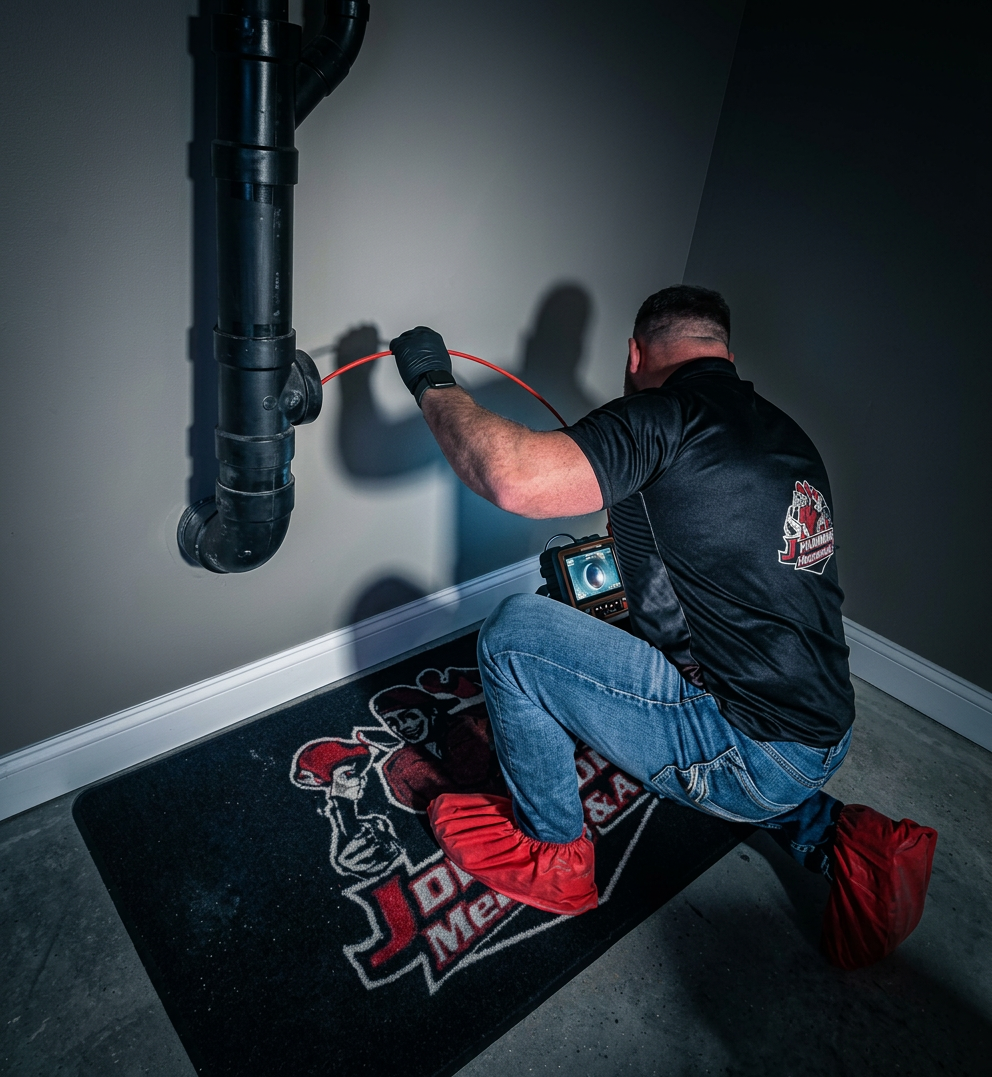
A professional plumber has advanced tools, like hydro-jetters and video inspection cameras, to see exactly what’s going on inside your pipes. They can diagnose the issue correctly and fix it safely, saving you time, stress, and potentially costly repairs down the road. Think of it this way: a plunger is great for a simple clog, but it can’t tell you if tree roots are invading your sewer line. Knowing when to step back and make that call is just as important as knowing how to use a plunger. It’s about protecting your home and ensuring the problem is solved completely, not just temporarily.
More Than One Drain Is Clogged
If your kitchen sink is clogged and so is your shower drain, you’re likely dealing with more than a simple blockage. When multiple drains in your home are slow or stopped up, it usually points to a clog in your main sewer line. This is the large pipe that carries all the wastewater from your house to the municipal sewer. A blockage here affects your entire system and can’t be fixed with a plunger or drain snake under the sink. This is a job that requires professional drain clearing to prevent messy backups into your home.
The Clog Keeps Coming Back
Did you manage to clear the drain, only for it to slow down again a few days or weeks later? A recurring clog is a sign that you’re only removing part of the blockage. The underlying cause—like a massive grease buildup or tree roots that have grown into the pipe—is still there. DIY tools often can’t reach these deeper, more stubborn obstructions. Instead of repeatedly fighting the same clog, calling a professional can solve the problem for good. We have specialized equipment that can clear the entire line and find the source of the recurring issue.
You Hear Gurgling Sounds or See Backups
Your plumbing shouldn’t talk back to you. If you hear gurgling sounds coming from your drains when you run the water or flush a toilet, it’s a cry for help. Gurgling means air is trapped in your pipes by a blockage, and it’s struggling to get out. This creates negative pressure that can soon lead to water backing up into your sinks, tubs, or showers. Don’t ignore these sounds. It’s a clear indicator that a significant clog is forming somewhere in your drain lines, and it’s time to get professional plumbing help.
You Suspect a Damaged Pipe or Sewer Issue
Sometimes, a clog is a symptom of a much bigger problem, like a damaged pipe or a major sewer line issue. If you notice foul odors that won’t go away, slow drains all over the house, or soggy patches in your yard, you could be dealing with a broken sewer line. These problems require immediate attention to prevent serious water damage and health hazards. If you live in Fort Collins, Loveland, or the surrounding areas, our team at JT Plumbing Heating & Air can use camera inspection tools to diagnose the problem and provide effective sewer line services.
How to Keep Your Drains Clear
An ounce of prevention is worth a pound of cure, especially when it comes to your home’s plumbing. Instead of waiting for a stubborn clog to ruin your day, you can adopt a few simple habits to keep your drains flowing freely. These proactive steps don’t take much time but can save you from the headache of backups and the cost of emergency repairs. Think of it as a little weekly and monthly TLC for your pipes.
Use Drain Screens and Strainers
This is one of the easiest and most effective ways to prevent clogs. A drain screen or strainer is a simple mesh or perforated cover that fits over your drain opening. These handy little gadgets let water pass through easily but catch all the things that shouldn’t go down, like hair in the shower and food scraps in the kitchen sink. They are inexpensive, easy to find at any home goods store, and even easier to install—you just place them over the drain. Remember to empty them regularly into the trash can to keep them working effectively.
Know What to Keep Out of the Sink
Your kitchen sink isn’t a garbage can, and treating it like one is a fast track to a major clog. The biggest culprits are fats, oils, and grease. Never pour things like bacon grease or cooking oil down the drain; they solidify in your pipes and create tough blockages. Instead, collect them in a jar and throw them in the trash once they’ve cooled. Coffee grounds, eggshells, and starchy foods like pasta and rice are also notorious for causing trouble. If you find yourself dealing with frequent clogs despite your best efforts, it might be time for a professional drain clearing.
Your Weekly Maintenance Checklist
Set aside five minutes each week to give your most-used drains a quick refresh. This simple routine helps break down any gunk that’s starting to build up, like soap scum and minor grease residue, before it becomes a problem. Just pour about half a cup of baking soda down the drain, followed by half a cup of white vinegar. Let the mixture fizz and work its magic for about 15-30 minutes. This chemical reaction is great for cleaning and deodorizing. Finish by flushing the drain with a kettle of hot (but not boiling) water. It’s a simple step that keeps things flowing smoothly.
A Simple Monthly Cleaning Routine
Once a month, it’s a good idea to give all the drains in your home a little extra attention. This includes the kitchen sink, bathroom sinks, showers, and tubs. You can use the same trusty baking soda and vinegar method from your weekly checklist. Pour equal parts of each down every drain, one after the other. To make this monthly clean a bit more powerful, let the mixture sit for at least an hour, or even overnight if you can. This gives it more time to dissolve stubborn buildup. In the morning, flush each drain thoroughly with hot water for a few minutes to wash everything away.
Related Articles
- Clogged Drain Cleaning: When to DIY vs. Call a Pro
- The Benefits of Rooter Service for Maintaining Healthy Drains
- Drain Cleaning Fort Collins CO | Drain Clearing Near Me
Frequently Asked Questions
Are chemical drain cleaners safe to use on my sink? I strongly advise against using liquid chemical drain cleaners. While they promise a quick fix, they often contain harsh acids that can corrode your pipes, especially if you have an older home. They also rarely clear the entire blockage, usually just burning a small tunnel through the gunk, which means the clog will likely return. Sticking to methods like baking soda and vinegar or calling a professional is a much safer bet for the long-term health of your plumbing.
My garbage disposal is humming but not draining. What should I do? A humming sound usually means the disposal is jammed. First, make sure it’s turned off at the switch and the circuit breaker. Never put your hand down the disposal. You can try hitting the small reset button, typically found on the bottom of the unit. If that doesn’t work, the jam is likely too severe for a simple fix. It’s best to call for a professional repair to avoid damaging the motor or causing injury.
Is a slow drain really that big of a deal? Yes, you should treat a slow drain as an early warning sign. It means a blockage is already forming and is only going to get worse. Ignoring it allows more grease, hair, and soap scum to build up until you have a complete clog and a sink full of standing water. Tackling it while it’s still slow is much easier and less messy than dealing with a full-blown backup later on.
Why can’t I just use a plunger for every clog? A plunger is a great tool, but it’s not a one-size-fits-all solution. It works by using pressure to dislodge a solid obstruction, which is perfect for things like a clump of hair in the bathroom. However, it’s far less effective against greasy, sludge-like buildups in a kitchen sink. For those, you need a method that can dissolve or break down the sticky gunk coating the inside of the pipes.
How can I tell if the clog is just in my sink or a bigger sewer line problem? The clearest sign of a main sewer line issue is when multiple drains in your home are acting up at the same time. If your kitchen sink is slow, and you also notice the shower isn’t draining well or the toilet gurgles when you run the sink, the problem is likely in the main line. A clog in a single sink will only affect that one fixture.